


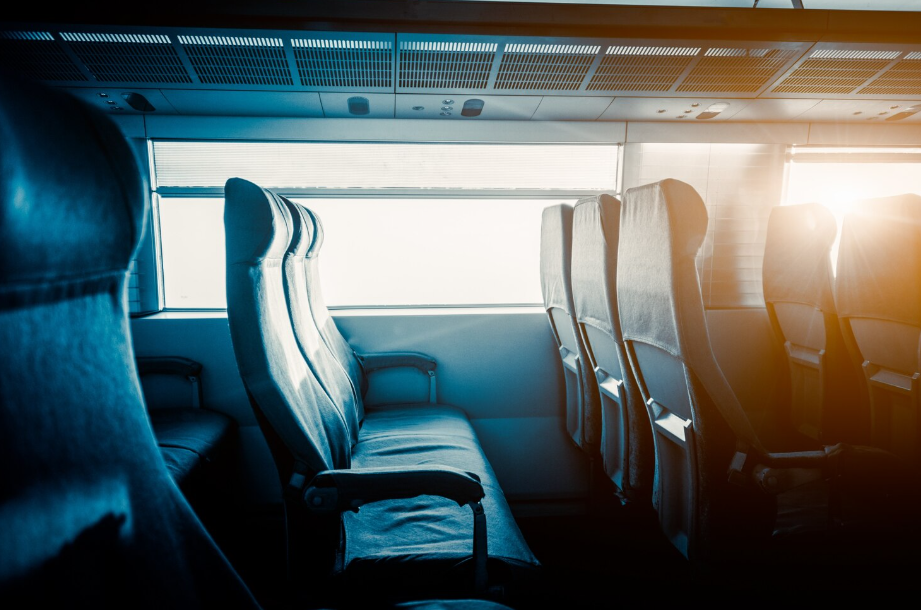
How to Plan Group Transportation for FIFA World Cup Matches in Seattle
Planning group transportation for FIFA World Cup matches in Seattle takes more thought than people expect. You’re dealing with crowds, tight schedules, and a city that gets busy fast during major events. It helps to think about transportation early instead of scrambling at the last minute. That’s usually where Seattle’s top transportation services come into play, since they already understand the traffic patterns and event flow.
It also helps to slow down and picture the whole day. People are arriving from different places, some early, some late, and everyone wants to get there on time. If transportation feels simple to the group, that’s usually a sign that the planning worked. When it feels chaotic, that’s when problems show up.
Establishing Group Size and Budget
The first real step is figuring out how many people are actually going. Not estimates. Real numbers. Coaches, staff, friends, and anyone tagging along should be counted so nothing gets overlooked.
Once that number feels solid, the budget becomes clearer. You’ll know whether a single large vehicle makes sense or if splitting into smaller options works better. Setting limits early helps avoid awkward decisions later, especially when prices start adding up.
Selecting Suitable Transportation Options
Choosing the right transportation option depends a lot on group size and expectations. Larger groups often prefer charter buses since everyone stays together and arrives at the same time. Smaller groups may lean toward vans or shuttles that offer more flexibility.
Comfort matters more than people admit. Long rides feel longer when seats are cramped, or timing feels rushed. Picking something reliable, clean, and well-managed usually keeps the mood positive before and after the match.
Coordinating Pick-Up and Drop-Off Locations
Pick-up and drop-off locations deserve more attention than they usually get. A central meeting spot saves time and reduces confusion, especially for visitors unfamiliar with Seattle. The easier it is to find, the better.
It also helps to think about space. Locations should allow vehicles to stop safely without blocking traffic or creating stress. Clear instructions shared ahead of time prevent last-minute calls and delays.
Planning for Traffic and Parking
Seattle traffic during major events can be unpredictable. Even short distances can take longer than expected, especially near stadiums. Planning extra time into the schedule gives everyone a buffer.
Parking should never be an afterthought. Whether it’s prearranged lots or designated zones, people feel more relaxed when they know where they’re going. Sharing details early avoids confusion on match day.
Ensuring Safety and Security Measures
Safety starts before the trip even begins. Vehicles should be checked, and drivers should know the route and schedule clearly. That kind of preparation keeps small issues from turning into big ones.
Communication also plays a role here. If something changes, everyone should hear about it quickly. Knowing there’s a plan in place helps people feel comfortable and focused on enjoying the event.
Communicating With Participants and Suppliers
Clear communication keeps everything moving. A shared message thread or simple update system works better than scattered messages. People want to know where to be and when.
Suppliers should also be looped in early and often. Confirm times, locations, and expectations more than once. It might feel repetitive, but repetition usually prevents mistakes.
Related Topics:


