


Youth Sports Team Transportation: What Coaches and Parents Need to Know
Getting your youth sports team to games isn’t always easy. Parents, coaches, and sometimes even the athletic director are juggling cars, schedules, and who’s bringing what. Safety rules, costs, timing, there’s a lot to think about. But if you plan a bit ahead, it actually makes things way smoother.
A lot of times, transportation is the thing that slips through the cracks because everyone’s busy with practices or game prep. Still, having a plan saves last-minute panic and keeps everyone safer on the road. For teams in Seattle, using top transportation services in Seattle can really take a load off, especially when you’re dealing with multiple games in different locations.
When you’re coordinating rides for kids, it helps to keep notes, reminders, or even a small group chat. Knowing who’s going where, when, and how much it costs keeps everyone sane. It’s not perfect, sure, but even a little prep up front makes the whole season feel less chaotic.
Safety Protocols for Team Travel
Vehicle safety checks should happen before every trip. Check tire pressure, brake function, and fluid levels. All passengers need working seat belts, and speed limits aren’t suggestions when you’ve got someone else’s kids in your vehicle.
Driver fatigue becomes a real issue during tournament weekends. Rotating drivers or setting maximum drive time limits helps prevent accidents. Some teams require two adults per vehicle for longer trips, which also helps with supervision during stops.
Weather conditions change plans quickly. Having backup routes mapped out and checking road conditions before departure prevents getting stuck in dangerous situations. Keep emergency contact information readily available for all team members.
Budget-Friendly Transportation Solutions
Carpooling remains the most cost-effective option for local games. Create a rotation system where families take turns driving, spreading the gas costs and mileage across multiple vehicles. This works well when games are within a 50-mile radius.
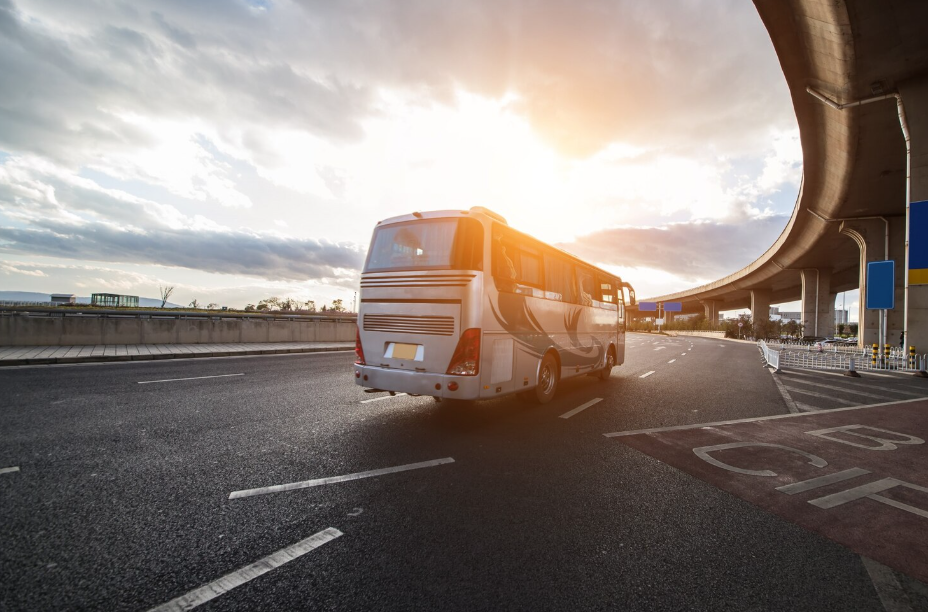
Charter bus rentals become economical for tournaments or when traveling with 20+ players. Splitting costs among families often makes this cheaper than multiple cars, especially when you factor in parking fees at venues. Book early to lock in better rates.
Some athletic departments negotiate group rates with local transportation companies. Ask your league coordinator if bulk pricing options exist for multiple teams traveling to the same tournament.
Communication Systems That Work
Group text messaging keeps everyone updated on departure times and route changes. Designate one person as the communication hub rather than having information scattered across multiple conversations.
Real-time GPS tracking apps let parents know when teams are running late or have arrived safely. Several youth sports organizations now use apps that automatically update families about transportation status.
Emergency contact protocols need clear chains of responsibility. Who calls parents if there’s an accident? Who handles medical decisions? Having these conversations before problems arise prevents confusion during stressful situations.
Legal Requirements and Insurance Coverage
Driver screening requirements vary by state but typically include background checks, valid licenses, and minimum age requirements. Some states require special endorsements for transporting multiple children who aren’t your own.
Insurance coverage gets tricky with volunteer drivers. Personal auto policies might not cover accidents that occur while transporting team members. Check with your insurance agent about additional coverage or gaps in protection.
Liability waivers protect organizations to some extent, but proper insurance remains your best defense. Many youth sports leagues require proof of adequate coverage before allowing parents to transport other families’ children.
Vehicle Maintenance Standards
Pre-trip inspections take five minutes but prevent major problems. Walk around the vehicle checking for obvious issues like flat tires, broken lights, or fluid leaks under the car.
Tire condition becomes critical when carrying extra passengers and equipment. Check tread depth and look for uneven wear patterns that might indicate alignment problems. Under-inflated tires increase blowout risk, especially during highway driving.
Emergency kit basics include first aid supplies, flashlights, phone chargers, and basic tools. Roadside assistance contact information should be easily accessible, not buried in your phone’s contacts when you need it most.
Regular maintenance schedules prevent breakdowns during travel. Oil changes, brake inspections, and cooling system checks should happen according to manufacturer recommendations, not when convenient.
Streamlining Transportation Logistics
Route planning software helps identify the most efficient paths between venues. Factor in construction zones, traffic patterns, and fuel stop locations when mapping longer trips. Having alternate routes ready saves time when unexpected delays occur.
Equipment transportation requires advance planning. Gear bags, coolers, and sports equipment take up significant space. Assign specific vehicles for equipment transport rather than trying to squeeze everything into passenger cars.
Pickup and drop-off coordination prevents parents from waiting around unnecessarily. Establish consistent meeting points and arrival time estimates. Send updates when you’re running behind schedule rather than leaving families guessing.
Tournament travel involves overnight stays and extended logistics. Hotel arrangements, meal planning, and equipment security become additional considerations beyond basic transportation needs.
Parent volunteer coordination works best with clear expectations and backup plans. Some families can’t commit to driving, while others are happy to help. Match volunteer availability with actual transportation needs rather than assuming everyone can participate equally.
These transportation strategies help youth sports teams move safely and efficiently while keeping costs reasonable. Focus on building reliable systems rather than figuring things out as you go, and both parents and coaches will appreciate the reduced stress during an already busy season.
Contact Us
We’re here to make your journey seamless and memorable. Whether you’re planning a wedding, corporate event, or special outing, reaching out is easy:
Office Location: 15 S Grady Way, STE 245, Renton, WA 98057
Phone: (206) 579-5911
Email: info@blessedlimo.net
Hours of Operation: Monday to Saturday, 5:00 AM–12:00 AM
Quick Booking: For fast and efficient booking, please fill out our online form with your details. Our team will respond promptly to confirm your reservation.
Related Topics:


